
Fireball season is upon us. Every year between February and April, there is an increase in the number of fireballs reported globally. There are some theories but no one knows exactly why this seasonal increase occurs, but this year has already produced some impressive fireworks. Social media lights up with cellphone videos and doorbell camera footage showing bright flashes and streaks across the night sky.
These are far brighter than a typical shooting star—sometimes as bright as the Moon.
A Brilliant Bolide Over the Pacific Northwest
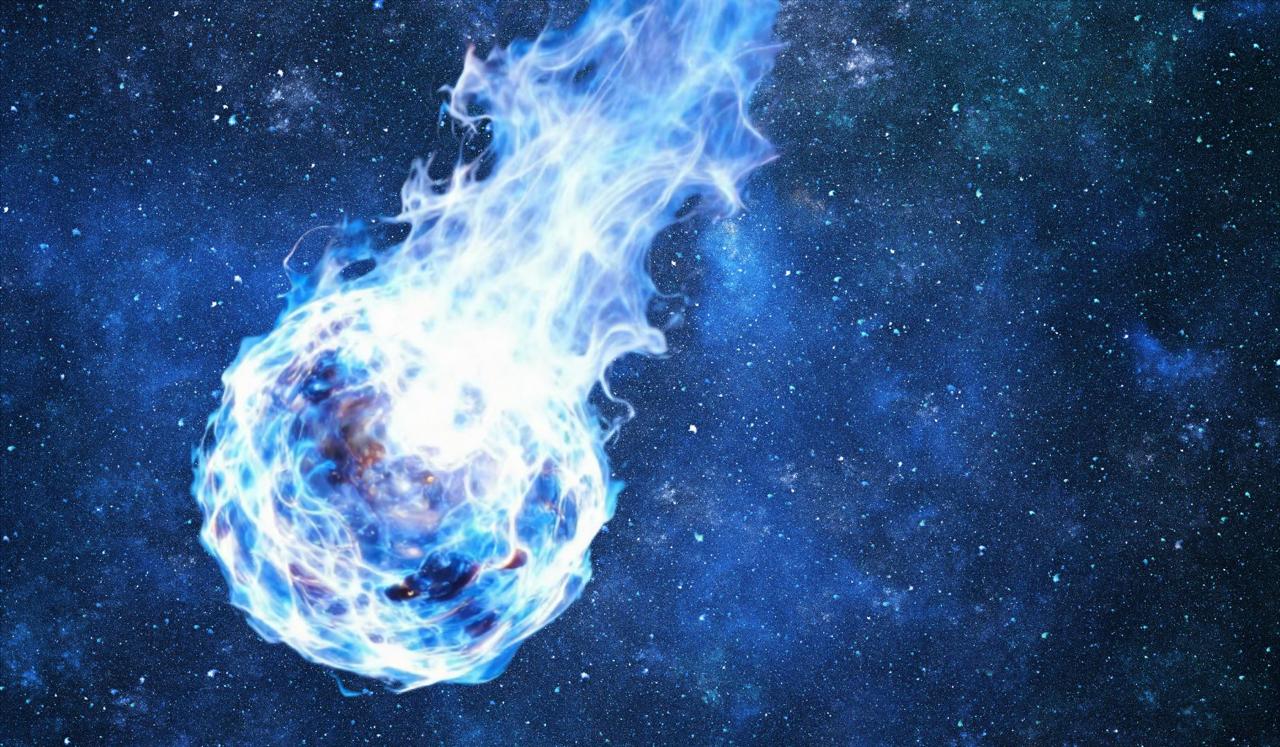
It’s a rare honour to witness a fireball. Recently, at around 9:08 PM PST on Tuesday, March 3, 2026, a bright blue streak of light lit up the skies across southern British Columbia and Washington State. The fireball was travelling so fast that it produced a sonic boom reportedly heard across the region.
Witnesses estimated its brightness between magnitude −13 and −17, placing it among the brightest fireballs observed this year. At that brightness it qualifies as an extremely bright bolide, and it may even have been visible in daylight under the right conditions.
Brightness Scale Used to Classify Fireballs
| Classification | Brightness |
|---|---|
| Fireball | Brighter than magnitude −4 |
| Bolide | An extremely bright fireball that explodes or fragments |
| Superbolide | Approximately magnitude −17 or brighter |
The Size May Surprise You
One might assume that an event this bright must involve a massive object. In reality, the dramatic flash and sonic boom were caused by a space rock only 38 cm in diameter—about the size of a basketball—weighing roughly 75 kg.
Most meteors are much smaller, often pea-sized particles that burn up instantly in the upper atmosphere. Occasionally, larger ones like this survive longer and may even drop meteorites to the ground. If fragments from this event reached the surface, they likely landed somewhere in the forests of British Columbia.
Official Records
According to the American Meteor Society (AMS) fireball logs, 18 witnesses reported the event from southern British Columbia and northern Washington. The AMS maintains a public reporting system where observers submit details such as brightness, colour, direction, and duration.
NASA Fireball Event Record:
fireballs.ndc.nasa.gov/skyfalls/events/20260304-050847
AMS Event 1411-2026:
fireball.amsmeteors.org/members/imo_view/event/2026/1411
Reading the Colours
Observations like these can also help scientists estimate the composition of the meteoroid. The colours seen in a fireball are produced when different elements vaporize and emit light as the object burns up in the atmosphere.
Reports from the March 3 event describe the meteor as blue to blue-white at first, transitioning to yellow toward the end, with small orange sparks as fragments broke apart. This pattern suggests emissions from magnesium and ionized atmospheric gases early in the flight, followed by sodium emissions during fragmentation.
Common Fireball Colours and Their Causes
| Colour | Cause |
|---|---|
| Green / Blue-Green | Magnesium, nickel, or oxygen emissions |
| Yellow / Orange | Sodium |
| Yellow-White | Iron |
| Red | Ionized nitrogen and oxygen in the atmosphere |
| Violet / Purple | Calcium |
Factors Affecting Meteor Colour
Velocity
Faster meteors tend to appear blue or white because their higher kinetic energy strongly ionizes atmospheric gases. Slower meteors often appear orange or red.
Atmospheric Interaction
As a meteoroid penetrates deeper into the atmosphere, increasing pressure and temperature can cause it to fragment. Different elements vaporize at different temperatures, which is why some fireballs change colour during their flight.
A Rare Sight
Events like this are relatively rare for any one observer. Many occur over oceans or remote regions, where few people are present to witness them. Even when they occur over populated areas, only a handful of people may actually be looking up at the right moment.
If you do happen to see one, you can contribute to scientific research by submitting a report to the American Meteor Society.
And of course—don’t forget to make a wish.
You’ve just witnessed something extraordinary.
Keep looking up.